Powered by Quotezone
Insurance comparison information
Prudent Plus Limited is an Introducer Appointed Representative of Seopa Ltd, Floor 4, Blackstaff Studios, 8-10 Amelia Street, Belfast, BT2 7GS. Seopa Ltd is authorised and regulated by the Financial Conduct Authority, FRN 313860. Quotezone is a trading style of Seopa Ltd and provides the insurance comparison service.
Prudent Plus Limited may receive a commission if a policy is purchased following an introduction, at no additional cost to you. We do not provide personal insurance advice.
Environmental talk used to sound distant from the average plumber’s world, but that’s changing fast. Customers now ask about water use, recycled materials, and energy efficiency in a way few did years ago. For plumbers, it’s not just a trend; it’s an opportunity to offer smarter systems, lower bills, and cleaner conscience jobs. Eco-friendly plumbing isn’t about slogans; it’s about practical choices that last longer and waste less.
Water Efficiency Starts with the Basics
Saving water doesn’t always mean fancy technology. Sometimes it’s as simple as specifying the right tap aerator, fixing a dripping valve, or fitting dual-flush cisterns properly. These small steps add up to thousands of litres saved over a year, and customers appreciate the detail when you point it out. It shows you’re thinking beyond the quick fix.
- Fit low-flow shower heads and aerated taps where pressure allows.
- Suggest dual-flush toilets or retrofit kits for older systems.
- Use isolation valves and efficient pipe runs to minimise heat and water loss.
These tweaks are simple to explain, easy to sell, and immediately reduce running costs; a win for both sides.
Materials Matter; Choose Wisely
The shift to greener plumbing also means rethinking materials. Copper is still a mainstay, but recycled plastics and sustainable composites are catching up fast. They’re lighter, durable, and often easier to work with. Using recyclable packaging and bulk ordering fittings can also cut waste dramatically. It’s not about perfection; just less landfill at the end of the day.
Some plumbers now partner with merchants that take back used fittings and offcuts. It’s a small effort that keeps scrap out of skips and shows customers you’re taking sustainability seriously.
Heating and Hot Water; Where the Big Gains Are
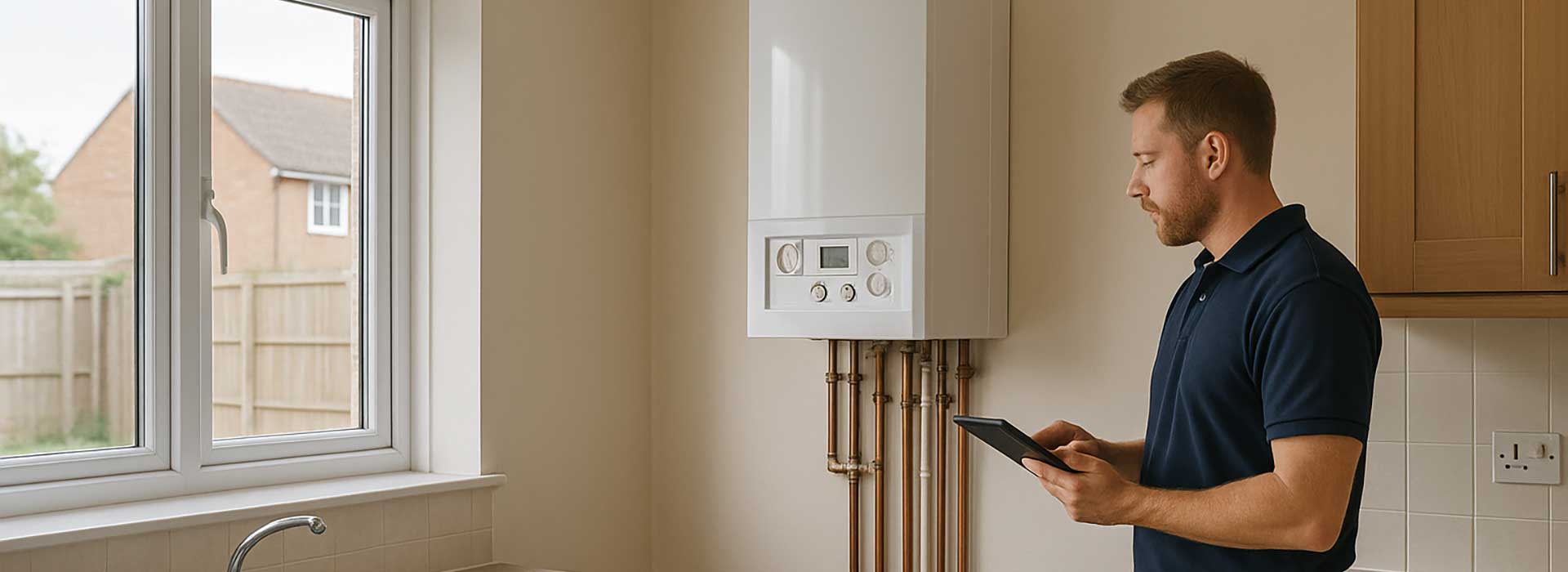
Most household energy use comes from heating water, so efficient systems make the biggest impact. Encourage customers to consider options such as:
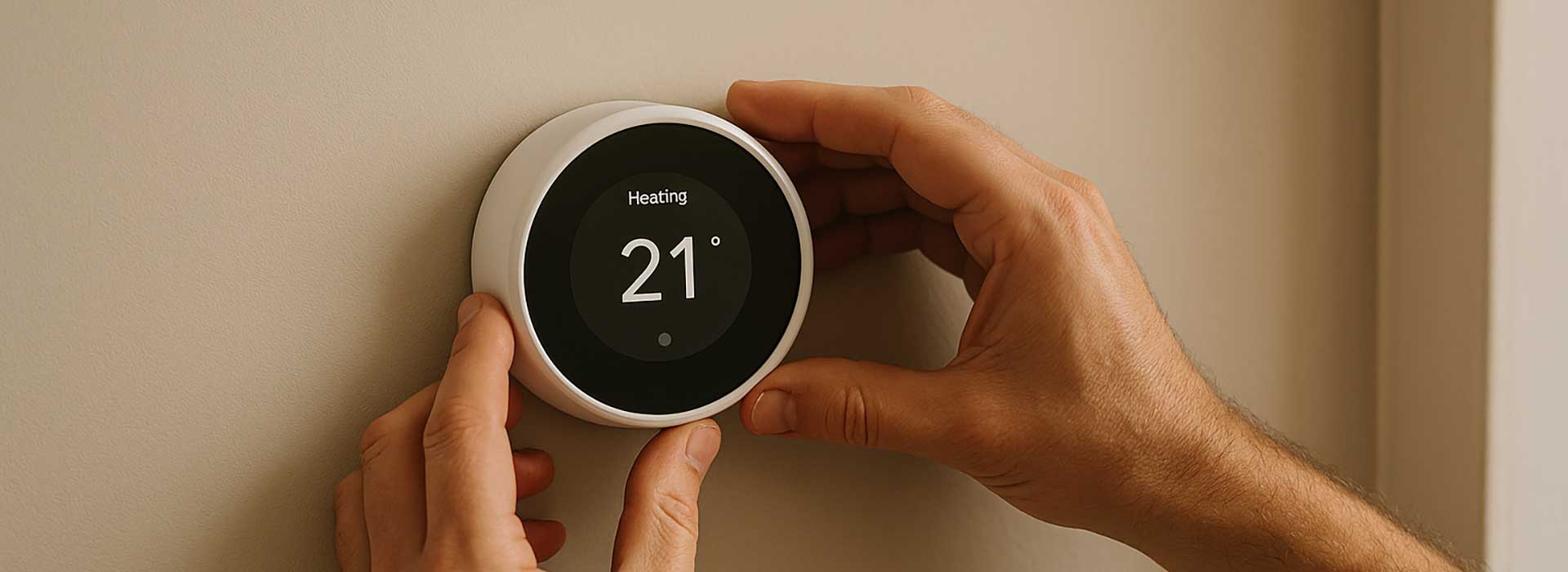
- Modern condensing boilers with smart thermostats.
- Solar-assisted water heating systems.
- Air-source or ground-source heat pumps for larger homes.
- Proper pipe insulation to retain heat and reduce running costs.
Even small changes like balancing radiators, fitting thermostatic valves, or upgrading to efficient pumps can cut energy use noticeably. It’s often the invisible tweaks that make a lasting difference.
Greywater and Rainwater Systems
Reusing water is becoming more common in commercial sites and new builds, but it’s slowly reaching domestic plumbing too. Greywater systems collect lightly used water; from basins or showers; and reuse it for flushing toilets or irrigation. Rainwater harvesting tanks do a similar job for gardens and outside taps. Both require careful installation, but once in, they’re low-maintenance and popular with eco-minded clients.
It’s an area worth learning about. Being one of the few local plumbers who can design or maintain these systems gives you a real edge.
Smarter Work Practices in the Van and on Site
Eco-friendly plumbing also covers how you run your business. Efficient van organisation, fewer wasted journeys, and sensible bulk deliveries all save fuel and emissions. Even switching to battery tools charged overnight on a smart plug reduces consumption. The trade has always relied on practical problem-solving; this is just applying the same mindset to your daily routine.
Consider recycling old parts where possible and separating scrap metals. Not only is it greener, it often brings a bit of extra income when weighed in properly.
Explaining the Benefits to Customers
Green upgrades can sound expensive until you break them down. When you show customers how efficient fittings pay for themselves through lower bills, the penny drops quickly. Use real-world examples; “this tap saves roughly a bucket of water a day”; and avoid eco-buzzwords. Keep it real, and customers will listen.
Most people want to help the planet; they just need to see how it fits their home and budget. That’s where good plumbers come in; translating sustainability into plain English and practical action.
Future-Proofing the Trade
Environmental standards are tightening, and plumbers who embrace the change early will lead the way. From water meters and leak detection tech to low-carbon heating, every step towards greener plumbing builds credibility and future-proofs your business. The tools might evolve, but the goal stays the same: reliable systems that work well and waste little.
Eco-friendly plumbing isn’t a passing fad. It’s just good workmanship; the careful kind that respects both the customer’s pocket and the planet beneath their feet.