
Powered by Quotezone
Insurance comparison information
Prudent Plus Limited is an Introducer Appointed Representative of Seopa Ltd, Floor 4, Blackstaff Studios, 8-10 Amelia Street, Belfast, BT2 7GS. Seopa Ltd is authorised and regulated by the Financial Conduct Authority, FRN 313860. Quotezone is a trading style of Seopa Ltd and provides the insurance comparison service.
Prudent Plus Limited may receive a commission if a policy is purchased following an introduction, at no additional cost to you. We do not provide personal insurance advice.
Heating used to be simple: fit a boiler, run the pipes, bleed the rads, and job done. Those days are slipping away. Modern systems demand more thought; tighter efficiency targets, smarter controls, and new types of heat sources altogether. For plumbers, that means fresh skills and a broader understanding of how buildings use and save energy.
The Shift Away from Traditional Boilers
Gas boilers still make up the bulk of UK heating work, but the tide is turning. Regulations are pushing towards low-carbon options, and customers are getting curious about alternatives. That curiosity often lands in your lap. Knowing how to explain options clearly; and spot which ones actually suit the property; makes you more valuable than any brochure ever could.
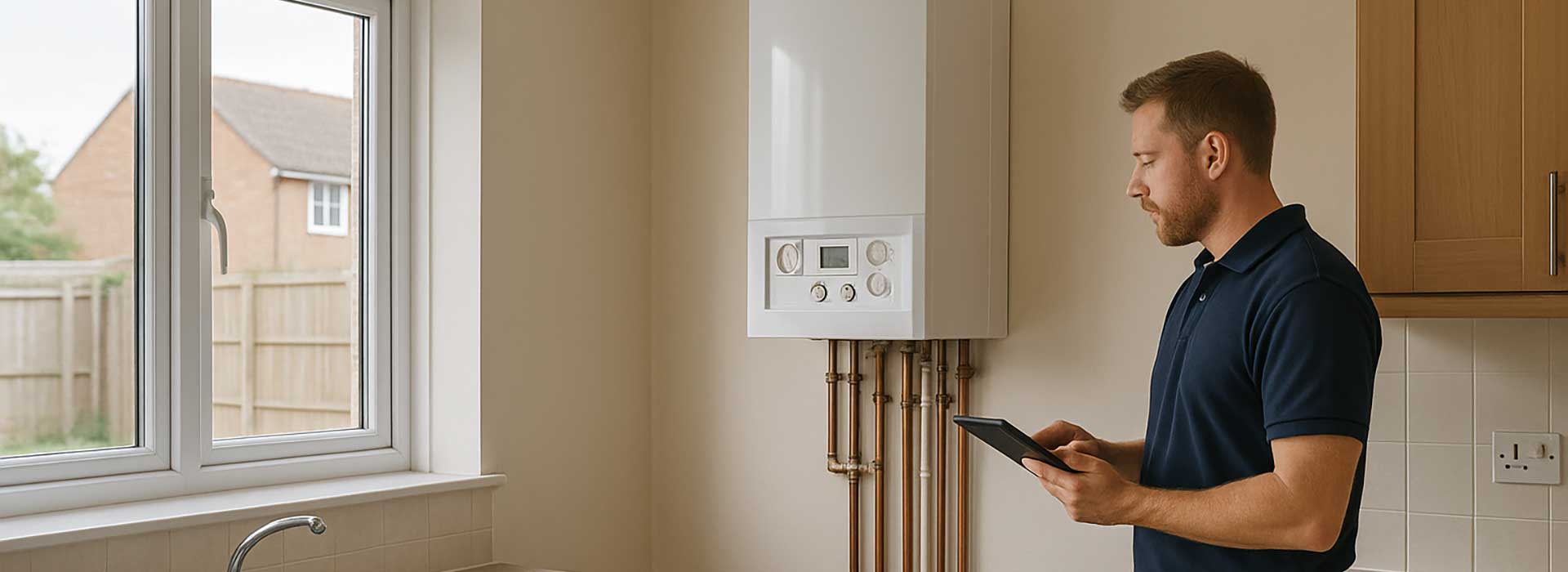
- Condensing boilers remain efficient and widely used, but servicing now focuses heavily on flue checks and condensate drains.
- Heat pumps (air or ground source) are spreading fast, especially in new builds and rural properties with space outside.
- Hybrid systems mix heat pumps with existing boilers, giving flexibility while keeping hot water flow strong.
Each of these systems changes how you size pipework, balance flow, and set controls. Staying on top of that makes the difference between call-backs and compliments.
Smarter Controls, Smarter Customers
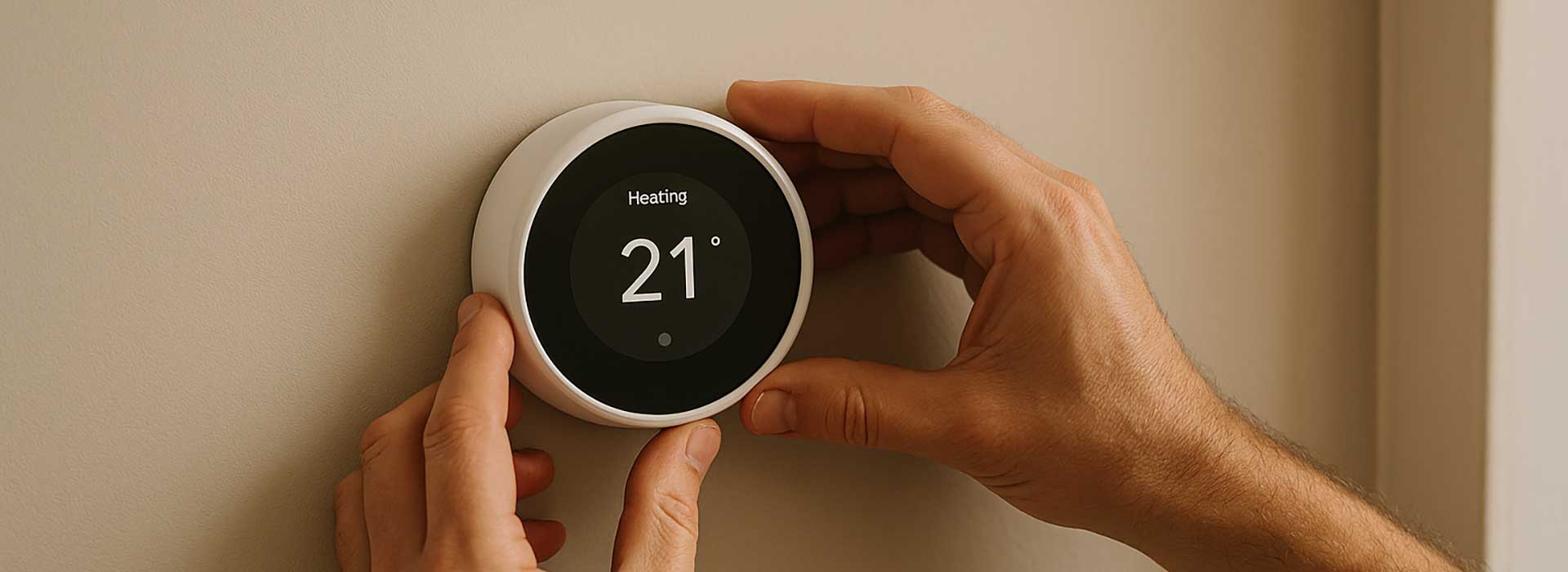
Smart thermostats aren’t just gadgets anymore; they’re expected. From Hive to Nest and beyond, these devices help households trim their bills and control heating remotely. As a plumber, understanding how they integrate with boilers, heat pumps, or underfloor systems keeps you in demand. Customers like clarity, not tech-speak. If you can explain how their new app links to the boiler in plain terms, you’ll win repeat work.
Some smart systems even learn heating patterns and adjust automatically. That means fewer wasted hours for customers and fewer “my boiler’s not coming on” calls for you.
Hot Water; Instant, Stored, or Shared
The way homes heat water is shifting too. Unvented cylinders, instantaneous heaters, and hybrid setups each have their place. Energy ratings and building regs now demand more efficiency, and that often means changing how systems are designed at the start, not patched later. Understanding recovery rates, reheat times, and pipe insulation standards is now part of the plumber’s toolkit.
It’s no longer just about connecting pipes; it’s about managing flow, pressure, and temperature with precision. That technical edge keeps you ahead of the crowd.
Energy Efficiency Is Now Core Plumbing
Customers expect plumbers to advise on saving energy, not just fixing leaks. That might mean suggesting thermostatic radiator valves, balancing systems properly, or installing weather-compensated controls. Small details make big differences. Even advising on proper pipe lagging or system flushing builds credibility; and cuts running costs for the homeowner.
There’s also the chance to work alongside renewable installers, offering joint packages that include plumbing, heating, and maintenance in one. Collaboration often brings steady work without relying on constant advertising.
Hydrogen and the Future of Heat
Hydrogen-ready boilers are creeping onto the market, and while the full rollout isn’t here yet, it’s worth paying attention. The industry’s moving towards flexible systems that can switch from natural gas to cleaner fuels when the grid changes. Getting trained early keeps you ahead of the next wave of regulations.
It’s not about chasing every new gadget; it’s about being ready when customers ask, because they will. Knowledge builds confidence, and confidence builds trust.
Balancing Old Systems with New Expectations
Plenty of British homes still run on decades-old pipework and radiators. The challenge is marrying modern efficiency with vintage infrastructure. Replacing a boiler might mean adjusting flow temperatures, resizing rads, or improving insulation first. Taking the time to explain why to a customer turns an upgrade into an education; and positions you as a proper heating expert, not just a fitter.
Adapting the Trade, One Job at a Time
Heating and energy systems are evolving fast, but they still rely on skilled hands. The tools are different, the expectations higher, yet the principle’s the same: keep people warm, safe, and comfortable. For plumbers willing to adapt, this shift isn’t a threat; it’s a golden opportunity. Learn the systems, talk to suppliers, and keep your qualifications current. Every new bit of tech that comes along needs someone practical to make it work. That someone might as well be you.